Why is Travel “Political”? [And why does it matter TODAY?]
You’ve been seeing headlines and influencers (myself included) lately talking about how “travel is political.” It’s an easy statement to feel a little bit repulsed by; I know I do some days. But it’s worth digging in to understand a bit of what’s behind it.
I think what people don’t like about hearing that travel is political is it feels like the last purely happy, fun, joyful thing we have left in our lives – travel – is being taken away.
It’s being diluted and polluted by all the stressful, negative, scary things we’re sick of hearing about, because we wish they didn’t exist. Think: Racism, classism, sexism, homophobia, and the privilege and power that many of us who consider ourselves “travelers” have because of at least ONE of those things.
So there are a few quick and simple things I think we all need to know on this topic. I’ll split them up into easy categories: People, Passports, Money and Power.
People
One, that if you don’t have to think about the politics of travel, you’re lucky – and I don’t say that with condescension. I am very much part of that group.
I’m white, I’m straight and I have a US passport.
I don’t wear a hijab or have any other way for people to assume they know something about me by my appearance.
The only real judgment I often have to deal with is the fact that people often assume I’m monolingual, and don’t want to speak to me in Spanish or Italian. (The two foreign languages I’m pretty much fluent in.)
But that’s an annoyance not a risk to my personal safety.
When I’m deciding where to travel, I don’t have to think about whether I’m going to have to hide my sexual orientation or not.
I don’t have to do research on how I’m going to be treated based on my skin color or my religion.
So travel doesn’t have to feel political to me and I’m lucky for that. But it’s not fair.
Because people of color, queer people and others have always known about the politics of travel, the political considerations that have to be made, because they never had the option to ignore them.

Passports
And that’s not even getting into passport privilege and the fact that I’m currently in Mexico, where I can automatically stay for 180 days without even having to fill out a form.
Meanwhile, most Mexican citizens looking to go on vacation in the United States have to apply for a visa ahead of time. And it costs hundreds of dollars and requires lots of paperwork, and sharing personal information (like your bank account balance!) with the US government.
I don’t have to do an anything like that in order to visit Mexico, but I do have to do that to go to Brazil or China. Whereas my husband doesn’t because he’s a European citizen.
All of that is the politics of travel. And that’s just the beginning.
So there’s simply no case for arguing that travel is disconnected from politics.

Money
The other side of travel being political is the fact that we’re spending a lot of money to travel and that means we’re voting with our wallets.
Just like deciding whether you shop at Amazon or at small businesses, whether you buy your toiletries in plastic or not, whether you a buy diesel truck or an EV or take the bus, whether you stay in a locally owned hotel and eat at a taco stand, or stay at a Hilton and eat at the hotel bar – all of that is voting with your wallet.
And it means travel choices have economic, and thus also political impacts.
Deciding who you give money to is deciding who you want to have power.
And since we spend a lot of money to travel, it’s another reason why travel is political.
Power
Okay, so you’re with me so far that travel is political… but maybe that’s a good thing?
At least it could be partially a good thing.
The inequalities in passport privilege are NOT good.
The fact that borders and visas control who gets to travel, and who gets to tell travel stories are NOT good either.
And the fact that I would have to think a lot harder about where and how I travel if my skin were darker, or if I had a wife instead of a husband, those things are definitely NOT good.
… to the people?
But where there’s politics, there’s power. And since this is capitalism, MONEY is power.
That means you can “vote with your wallet” with all that money you’re spending on travel.
Here are a couple quick examples:
- Instead of eating at chain restaurants, eat at local restaurants in neighborhoods that don’t exclusively cater to tourists.
- Instead of booking a Hilton for your vacation (since Hilton has a history of working with ICE), stay at a locally owned, independent hotel. That way you’re directly supporting local families.
- Instead of buying mini plastic bottles of shampoo on Amazon for your next trip, order plastic-free shampoo bars directly from a woman-owned small business. Amazon also works with ICE, and plastic supports the fossil fuel industry, so this is a two-fer!
- (I’ve reviewed SO many different shampoo bars, I can give you all my recs.)
- Instead of putting your trip on a Bank of America or Citizens Bank card, CANCEL those cards, because they finance private prisons and ICE detention centers. Instead, open a bank account with a local bank that doesn’t invest in fossil fuels. (Another two-fer.)
- Climate First Bank and Green Fi are two options to look into.
- This switch is also on my list of easy, sustainable changes for new year’s, but you can make them any time of the year.
And the most important thing is, voting with our wallets works. We’ve seen it with the boycott of Avelo Airlines, which made the company stop doing ICE deportation flights.
So let’s keep doing it.
You can find links to news stories about all of these companies here, and who’s collaborating with ICE.
There are tons of ways to vote with your wallet and you KNOW money talks, so don’t underestimate the power you have, both as a consumer and as a traveler.
Especially now. Especially today.
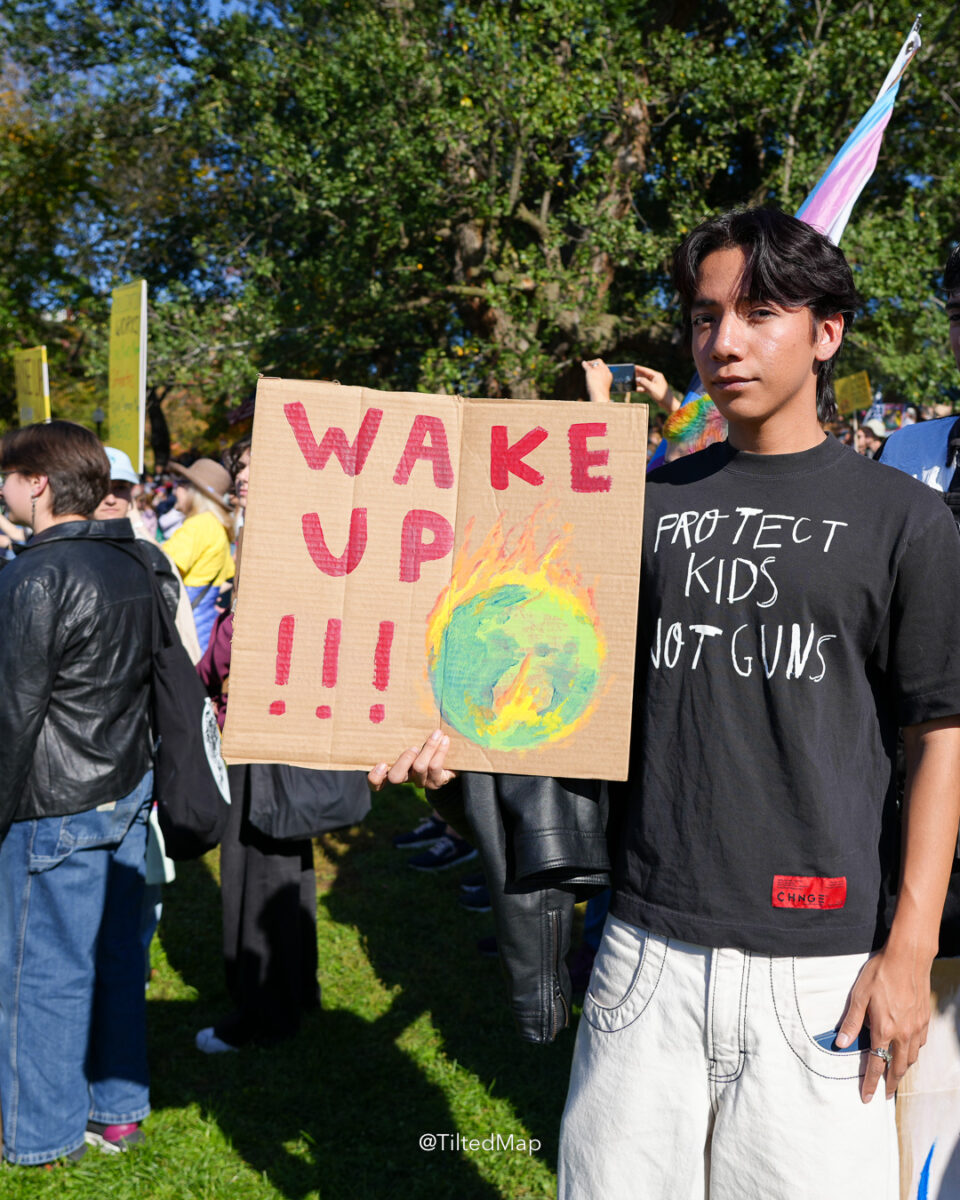
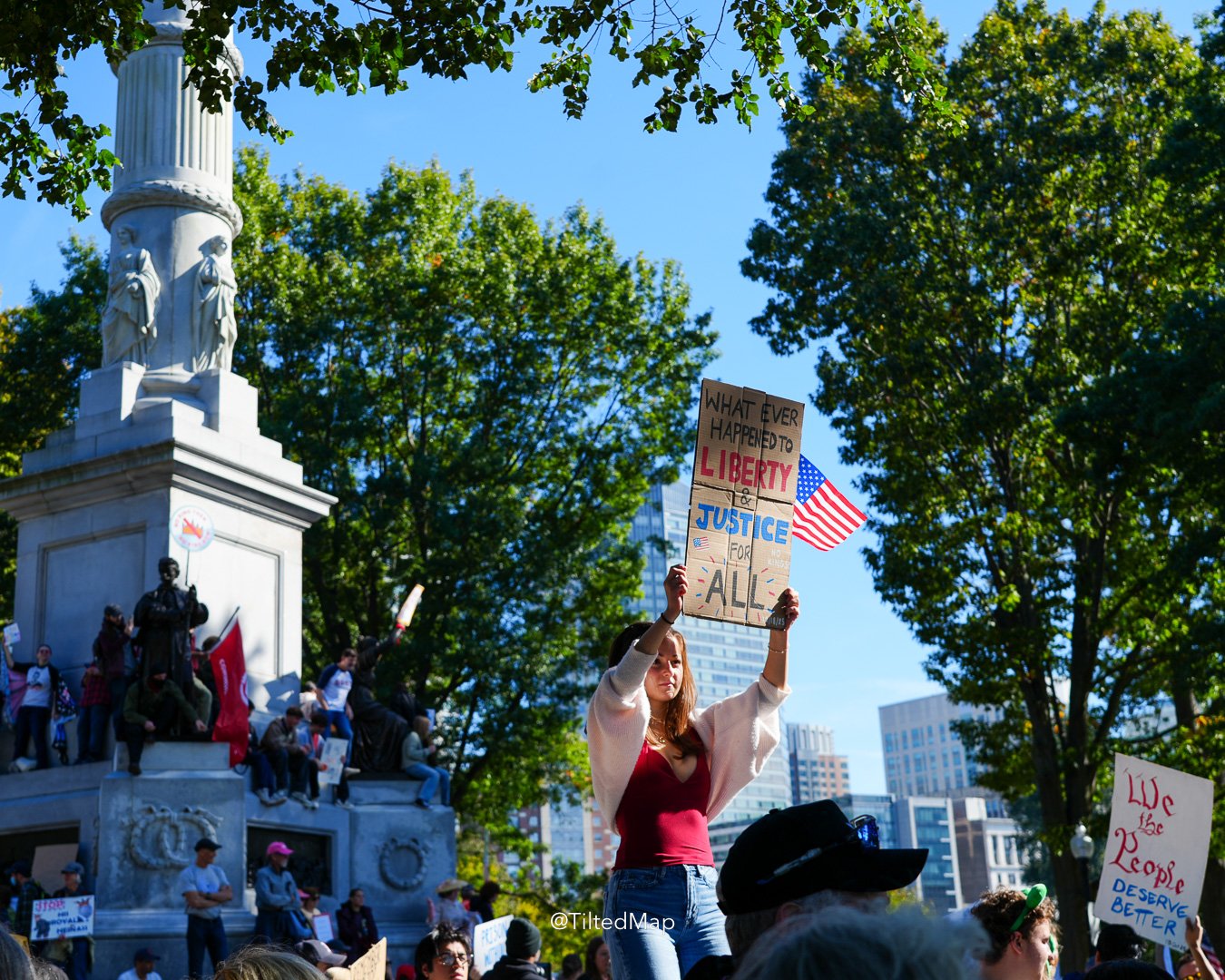
👉 Friday January 30: National shutdown in protest of ICE’s needlessly lethal tactics.
Today we buy nothing.
We book no trips.
No work.
No school.
Vote with your wallet and believe in your power. However small you may feel, you are not alone.