
I’ve Used All Three Versions of This Countertop Composter. The Newest One Finally Fixed the Noise
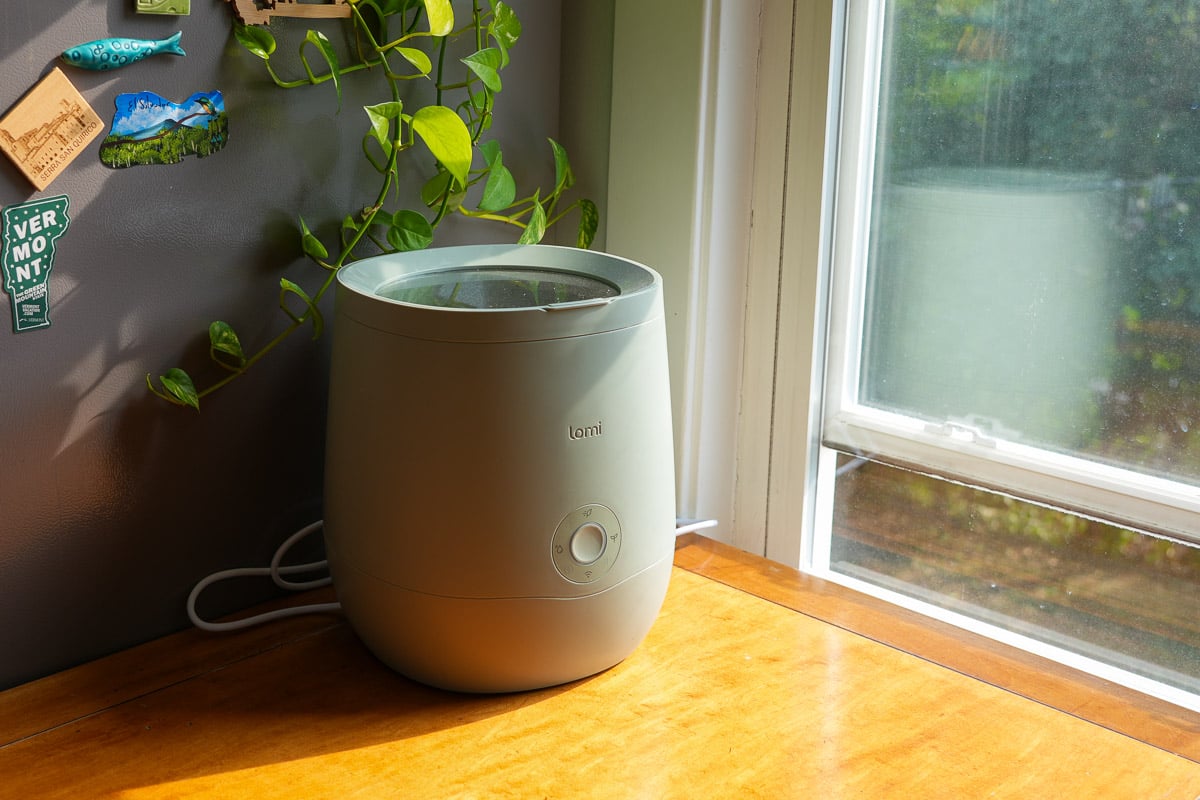
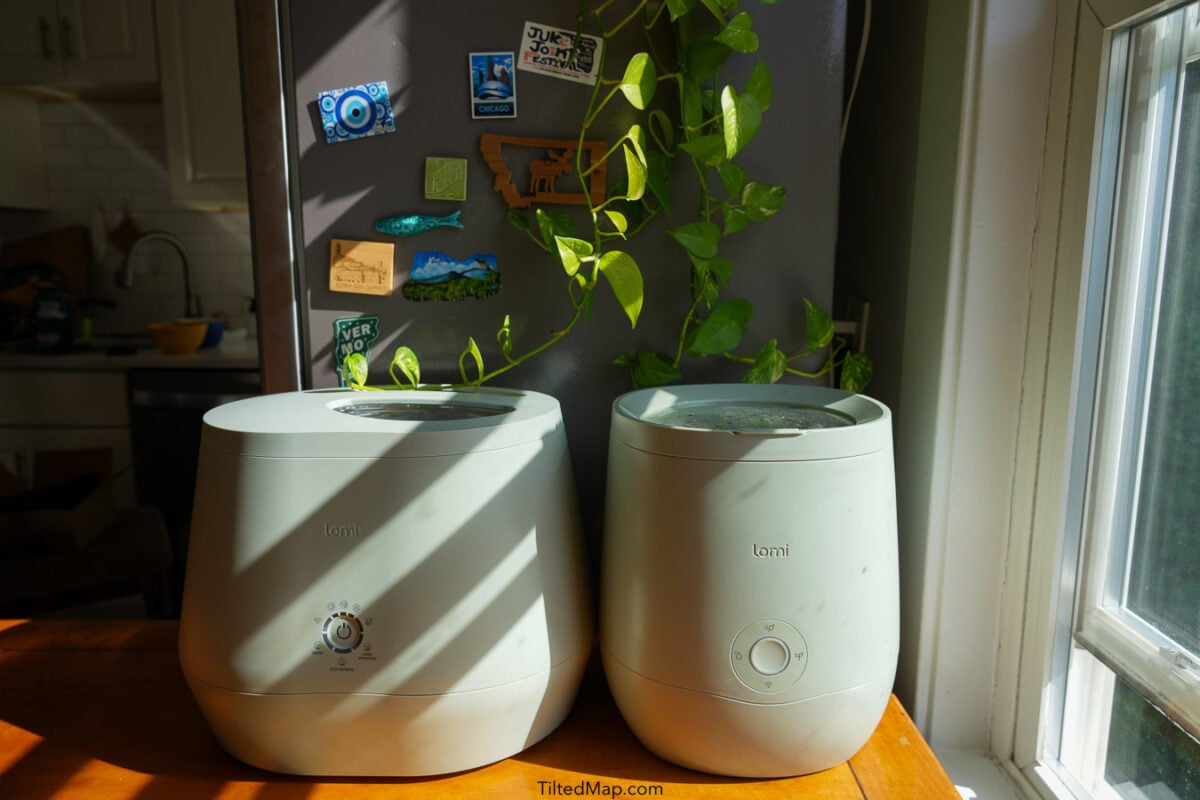
I’ve used all three versions of the Lomi in my own kitchen since January 2023. I bought the original Lomi Classic and used it for years (it’s still going strong at my in-laws’ house). Lomi offered to send me the Lomi 2 to update this review, but I only used it for four months before it broke. (Womp, womp.) They replaced it with the Lomi 3, which I’ve used for 6 months with no problems.
(Both were gifted. Lomi didn’t pay for this review or see it before it went live, and I always keep editorial control of any post, so I can tell you what I really think.)
I’m not in the honeymoon phase. And I’m not just regurgitating specs from the side of the box. After years of real use, this isn’t another “I just opened the box, and it looks great!” kind of review.
I’ve dealt with every smell and noise the Lomi produces (both the ones they tell you about, and the ones they don’t). So I’m here to give you my full, uncensored review.
My verdict: the Lomi 3 is easily the best Lomi yet, mainly because it’s so much quieter than the older versions. I still recommend it if you want less (and less smelly) trash, don’t want an outdoor compost pile, and travel a lot. If you garden, I’d get a Reencle instead, and if your city picks up food scraps, try that first.
 Lomi Composters
Do you live somewhere (like an apartment) where composting isn't really feasible? This countertop composter is a super easy way to eliminate food waste and prevents the climate impact of food decomposing in landfills.
- Very easy to use
- Creates nutrients for your garden
- Dishwasher safe compost bucket
- Diverts food from landfills, reducing climate impact!
- Works with most food including meat & cheese
- Fast – food scraps to dirt in a few hours
- It cut my garbage in HALF (literally)
- ... which saves time and $$
- Smells yeasty when running. (Pro or con? You decide)
- Requires electricity (a net "con" if your power source is coal!)
- $$ to get started (similar to alternatives)
- No longer works with bioplastics
Who’s writing this review?
Hi, I’m Ketti, a real human being! I have a master’s degree in sustainability, and have been testing sustainable products for years. I’m picky, and I don’t skim over the details. (But if you just want my quick pros and cons for the Lomi, click here.)
Note: This is part of my ongoing series of detailed, authentic reviews of products that claim to help us reduce our environmental footprints. Be sure to check out my other reviews here!
I’m excited to share what I’ve learned using all three of my Lomis!
Lomi 3 VIDEO Review:
If you don’t want to read, here’s everything you need to know about Lomi 3:

Lomi 1 vs. Lomi 2 vs. Lomi 3: What changed?
Our first version of this review was based on the original Lomi Classic, which I purchased in January 2023. (It was later renamed Lomi 1 and, after minor updates, the Lomi 1.2. All were basically the same machine, and they’re no longer available on the Lomi website, as of at least January 2024.)
Pela released the Lomi 2 (originally called Lomi Bloom) in late 2023. The updated version made both of the small improvements I wanted to see from the original Lomi:
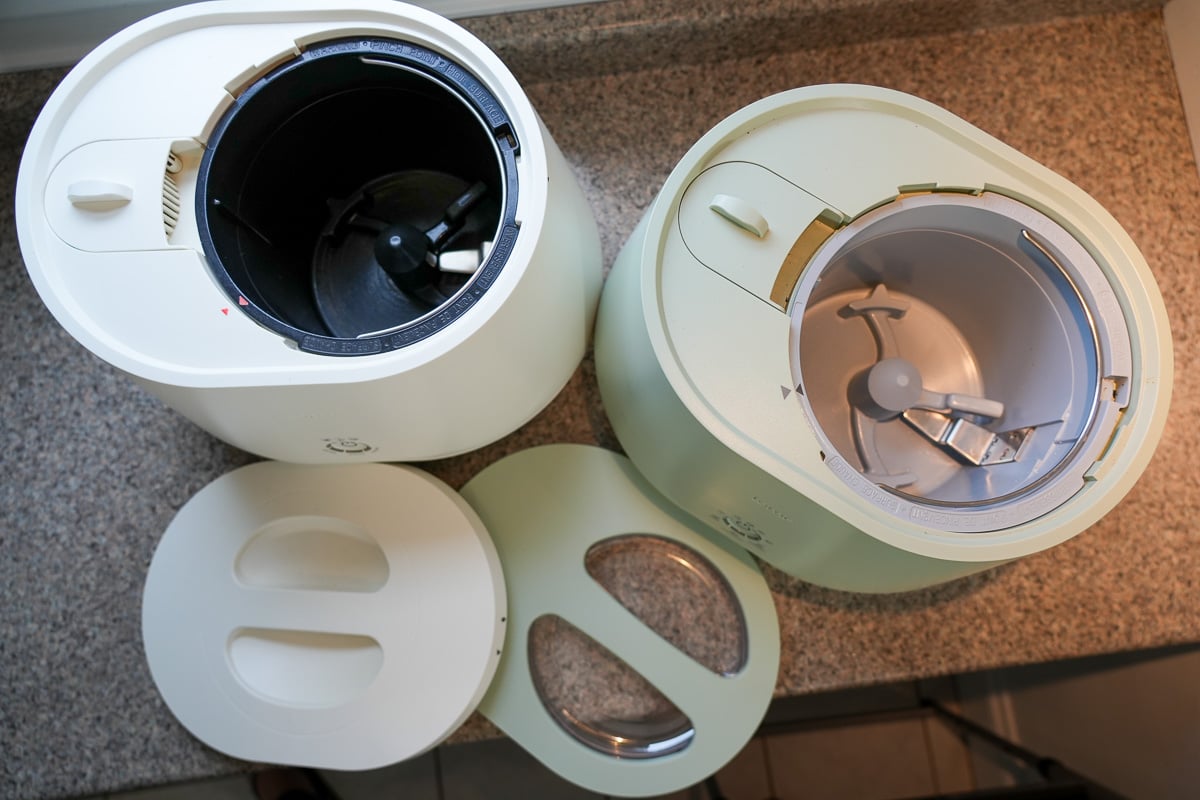
- See-through lid, to watch your compost happening!
- Indicator lights to show with a bit more specificity what part of the cycle the machine was on
- Cycles were a bit faster (Lomi advertised “up to 2 hours faster”)
- Added a cleaning cycle. (In my opinion, unnecessary. I never had a problem cleaning my original Lomi; I just put the bucket in the dishwasher every month or so.)
- An app that measures how many carbon emissions you’re saving with each cycle. (Which is, as I describe below, the real environmental benefit of the Lomi – whether you measure it on an app or not.)
- Colors! Instead of white, Lomi 2 came in 3 colors
- …But for the $100 price increase, not much had changed.
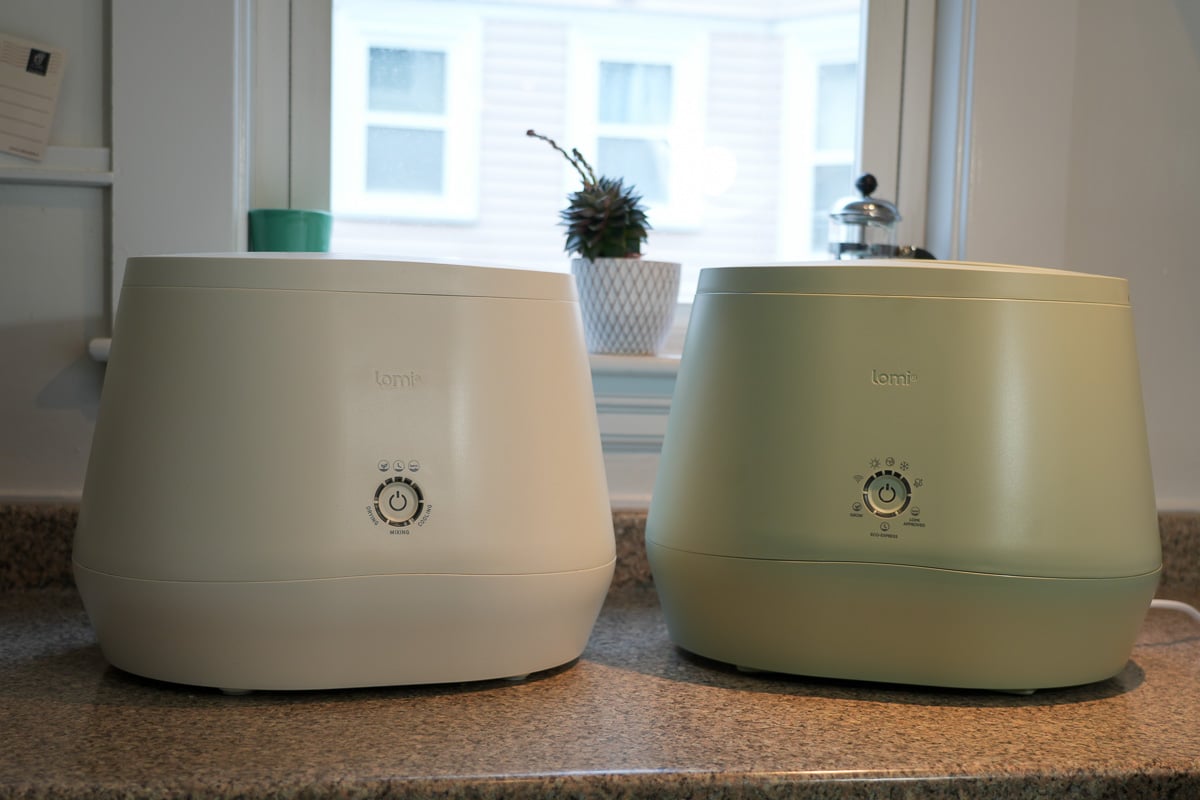
Lomi 3
As of July 2025, the Lomi 3 has been the flagship version, and the highest priced Lomi to date, at $649 (but it’s been on sale for $549 for most of 2026). What’s different on the 3?
- It’s meaningfully quieter. That’s by far the biggest change.
- It’s built to be repaired! The Lomi 3’s motor, fan and lid are replaceable modules, and Lomi says it’s looking into a refurbishing program. (Our Lomi 2’s motor died after about four months, which Lomi told us “definitely” wasn’t common, but couldn’t be fixed. They said to take it to an appliance recycling center, which wasn’t possible; we tried.)
- The new hinged lid is much easier to use (and still see-through! Great idea if you have kids in the house, too.)
- It’s smaller. (A 36% smaller footprint on your kitchen counter, but with the same 3 L bucket capacity.)
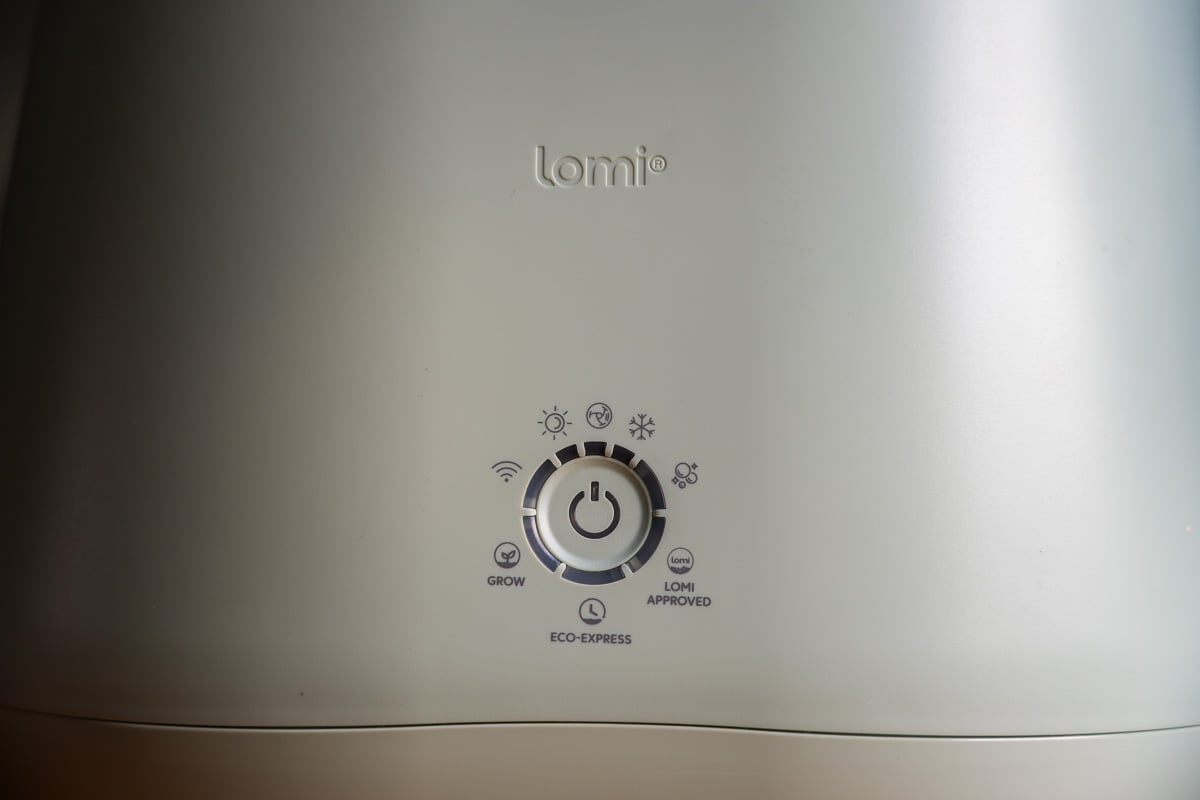
- Bioplastics are no longer recommended in the Lomi 3. The Lomi Approved mode, which used a higher temperature and was designed for composting bioplastics, is gone. Bummer.
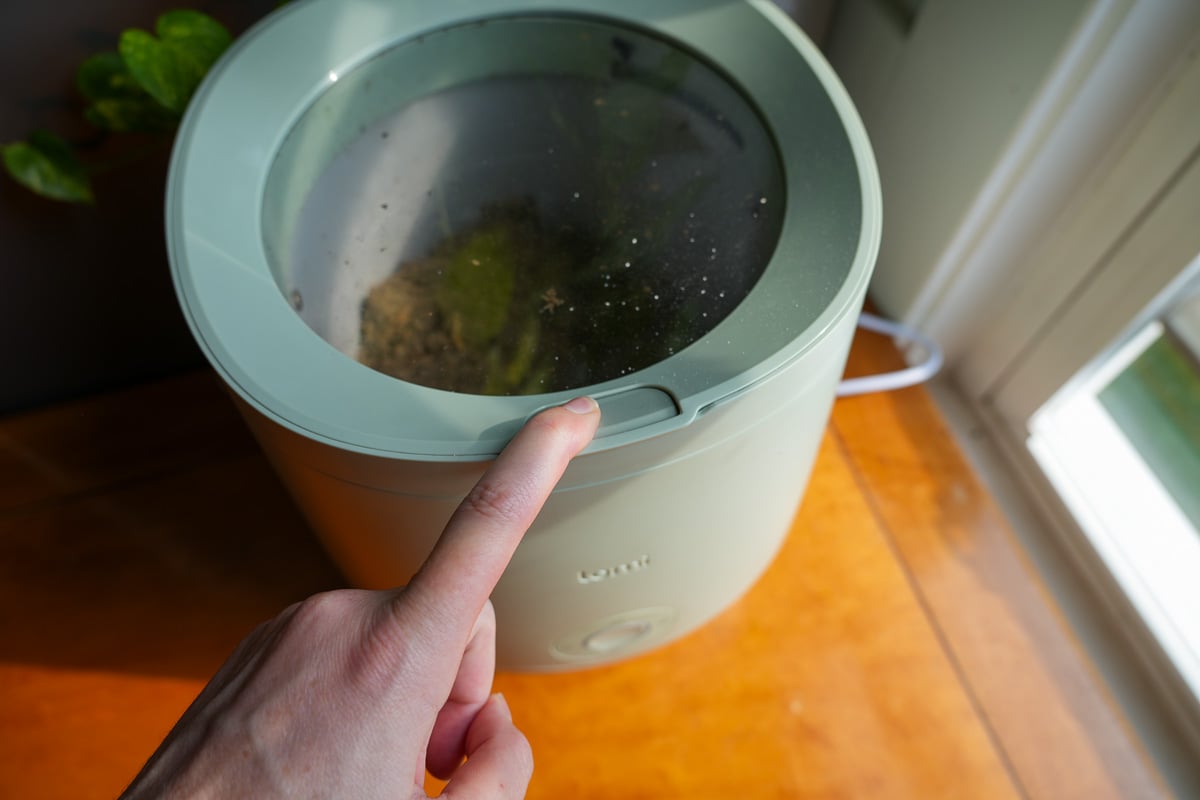
Just like every other version, the Lomi 3 is not perfect, and it’s not for everyone. But there are some important benefits, so let’s start there:
Biggest (Environmental) Benefit of the Lomi
After years of experimenting with my Lomi, I’d say the most noticeable benefit is that I now take out the trash, at most, half as often as I used to. And it no longer stinks or leaks at all.
I know, fewer garbage runs is kind of a boring “pro” for a pricey tool. (To be clear, it’s essentially a $649 dirt maker, although they do offer some discounts throughout the year.)
[Here’s a less pricey home eco-improvement that I recommend to everyone.]
But really, that’s the whole point of compost, at least in terms of sustainability: Sending less stuff to the landfill. By making it into dirt, instead.
And using the Lomi has easily cut our landfill contributions in half!
As a household of two, with lots of home cooking and lots of vegetables, pre-Lomi, we had a smelly, over-stuffed garbage bin every week for trash day. Now, we only take out our garbage every two weeks at most, and it never has even a whiff of bad smell.
[Related: Speaking of cutting down on chores, the grocery delivery service I reviewed recently has cut my grocery shopping days in half, just like Lomi cut my garbage hauling days in half!]
Why that matters:
Food makes up 24% of what goes into landfills in the US. I found that stat shocking! It’s the largest single source of waste in the US.
When food breaks down in a landfill, it breaks down into methane – a potent greenhouse gas.
The EPA says methane is at least 28x more powerful than CO2 at trapping heat and making climate change happen. (This happens because a landfill is an anaerobic environment – no oxygen, which is necessary for composting. That’s why the Lomi is ventilated, keeping air running through the composter while it breaks down food scraps.)
Before:

After:

So that’s the main environmental benefit to using a Lomi composter – less methane heating up our atmosphere.
[Related: Here’s what I’m doing about the GHGs that are already in our atmosphere.]
Sure, it’s great to put the Lomi compost to use as a gardening input, too, instead of wasting all that nutrition in the landfill. (Even just scattering it around on grass somewhere, as I often do.) But really, the most significant Lomi benefit is to the climate.
Plus, there’s the added bonus of making our kitchens smell better – no more smelly trash.
Here are the other main pros (and cons) of the Lomi, from my experience using it:
Lomi kitchen composter – Quick Pros & Cons
- Very easy to use
- Creates nutrients for your garden
- Dishwasher safe compost bucket
- Diverts food from landfills, reducing climate impact!
- Works with most food including meat & cheese
- Fast – food scraps to dirt in a few hours
- It cut my garbage in HALF (literally)
- ... which saves time and $$
- Smells yeasty when running. (Pro or con? You decide)
- Requires electricity (a net "con" if your power source is coal!)
- $$ to get started (similar to alternatives)
- No longer works with bioplastics
Lomi 101: Who makes it?
The Lomi is made by the Canadian company Pela – yes, the same Pela that makes compostable phone cases out of a flax-based bioplastic. (It’s made out of leftover flax straw mixed with plant-based biopolymers, and it gives the cases a nice, soft texture.)
Pela is also a certified B Corp, Climate Label certified, and a member of 1% For The Planet. All around, these are reliable signs of a good, responsible company.
How does the Lomi composter work?
The Lomi uses heat, ventilation, and bacteria to break down food scraps, while a wand rotates to stir the pot and crush up larger pieces. It’s kind of like a slow-moving mixer crossed with a bread machine. But the combination of heat, aeration and mixing makes it more like a compost bin on steroids.
After about 6 hours, forgotten leftovers, apple cores, and veggie trimmings are converted into something similar to compost.
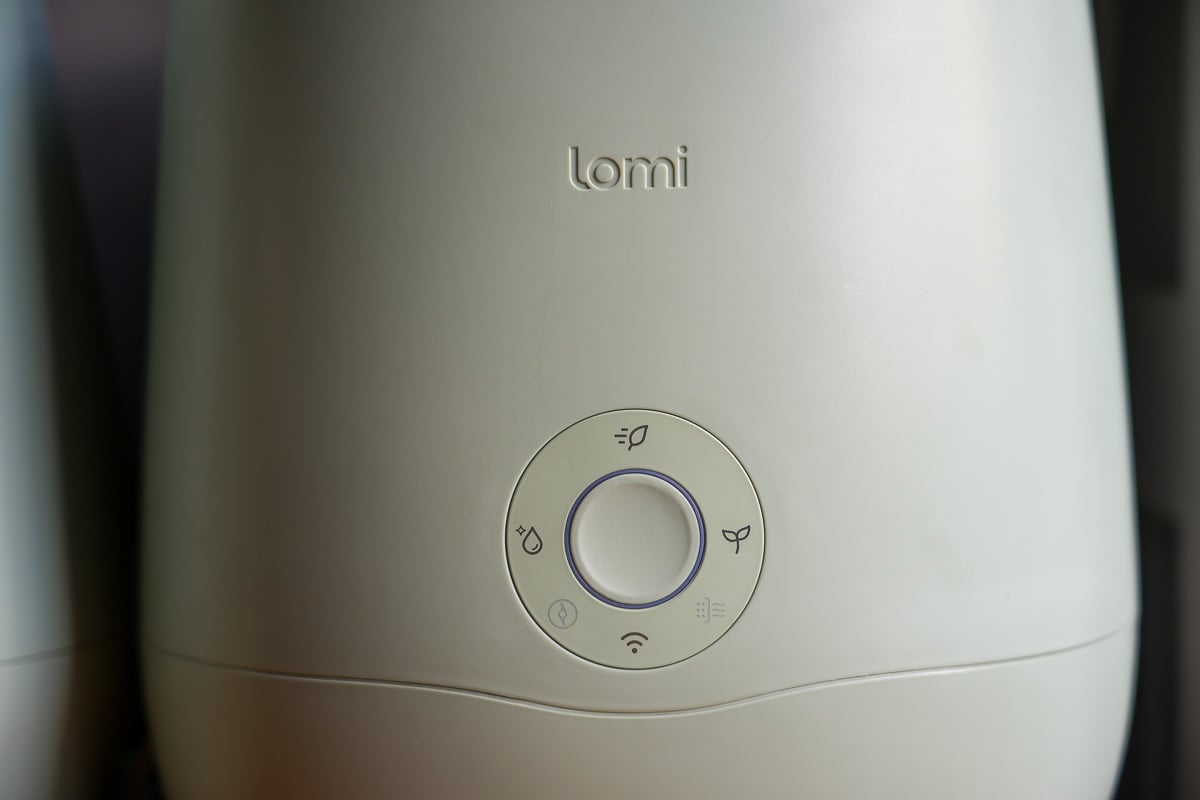
Using it is straightforward: The Lomi 3 has two buttons. One to switch between modes. One to start the cycle. That’s all.
Unboxing Lomi: Finally Plastic-free Packaging
My first impression when I opened the box on my first Lomi: It mostly walked the walk, in terms of their plastic-free packaging.
The composter arrives in a big cardboard box. The only trace of plastic is the outer packing tape. (I asked Lomi about this, in case it was actually plant-based tape that could be composted. The answer was no.)
UPDATE: The new Lomi 3 came without the plastic tape!
Other than that, the interior padding is made of recycled cardboard, and there are no plastic-y marketing inserts (hallelujah). Just two paper flyers with instructions. The device is also wrapped in a bioplastic bag.
I composted it in our first cycle, as an early test of how well the Lomi 1 would handle compostable bioplastics. (See below for how it went.)


Setting Up Our Lomi:
First, I added the special charcoal pellets to our Lomi when I took it out of the box. (The filter that reduces the smell running of a cycle.) It was very easy to do, and lasts dozens of cycles.
When to Replace Lomi Filters?
Lomi says to just replace the filter pellets when you start to notice a smell, or roughly every 45 uses, or every 3 months. And you can compost the old pellets in the Lomi!
After my first six months using the Lomi Classic, I still hadn’t noticed a change in the smells, so I stretched that out a bit more. And I’ve tried doing the same ever since, with every model.
The Lomi 3 has a filter indicator light that comes on after 45 cycles, so you don’t have to count, but to avoid wasting filters, just wait until your nose tells you it’s time. (I did start noticing the smell around 3 months of use.)

Lomi’s 3 modes and our experience with them:
- Express Mode: the default. In my experience, this cycle usually takes about 6 hours. (Lomi says as little as 3 to 6 hours, but so far, I haven’t seen it finish anywhere near 3.)
- Grow mode: the slowest and lowest heat mode. The biggest difference versus the other cycles is that Grow mode takes 11 – 17 hours. The lower heat is designed to keep more microorganisms alive, so the output is more beneficial for your garden. For previous models, Lomi said Grow mode was meant for only raw fruit and vegetable scraps, not cooked food.
- Cleaning mode: Should take about 1.5 hours, but the few times we’ve used it, it took a bit longer.

Does Lomi make real compost?
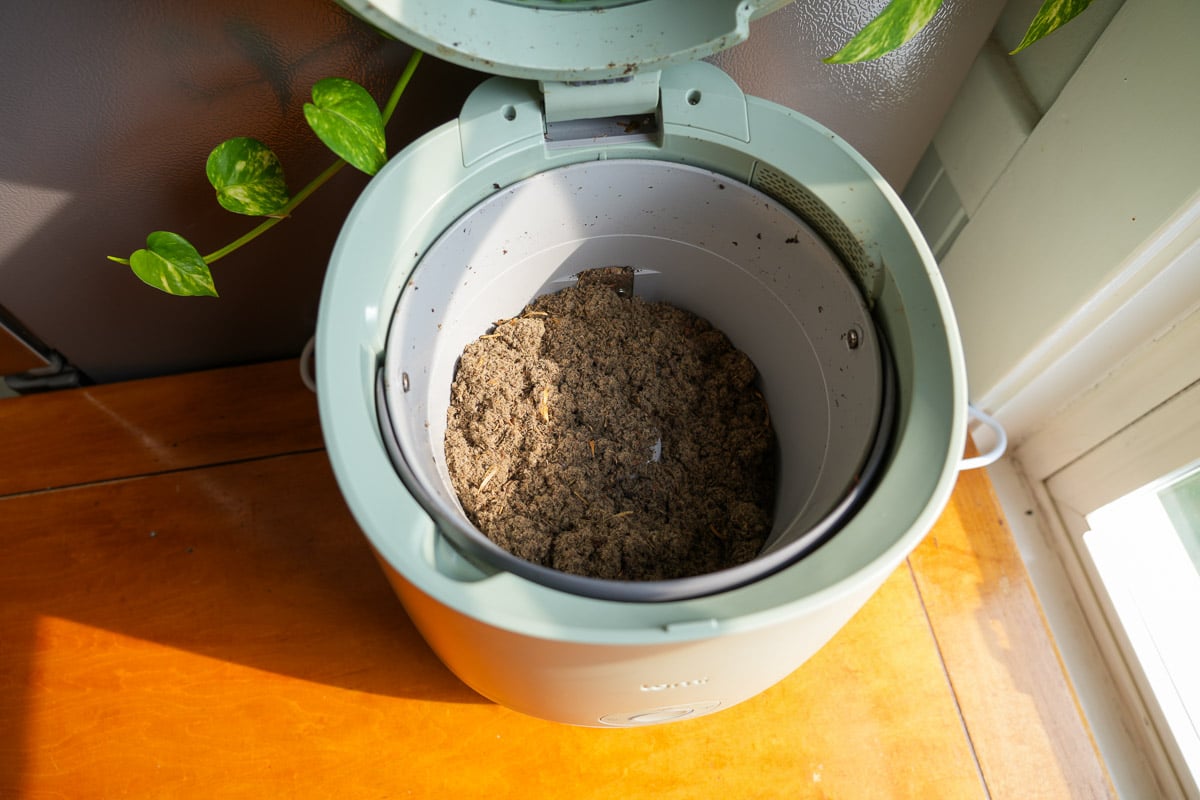
What comes out of any of the modes isn’t exactly compost – at least not in gardening terms. It’s more accurate to call it a pre-compost. And Lomi is very clear about this – the output has to be mixed with regular dirt to use it for gardening, at a ratio of 10 to 1. (That’s 10 parts normal dirt, 1 part Lomi output.)
Of course, I tried breaking the rules with this, and the results weren’t great. (More on that below, in my “lessons learned” section.)
Does Lomi really break down bioplastics?
Short, official answer for the Lomi 3: No. Lomi removed the Lomi Approved mode, which was designed for bioplastics, and now says it “no longer recommend[s] adding bio-based plastics to your Lomi cycles.”
When I asked Lomi why, they said they removed the Lomi Approved mode “to make Lomi 3 simpler and more intuitive,” because people were confused about which cycles were safe for the garden, and Lomi had no way to control what people put in their machines. From what they told us, the Lomi 3 isn’t any less capable with bioplastics than the Lomi 2. They just stopped recommending it. (More on that at this part of our video.)
For food waste, all three Lomis I’ve tried have done quite a respectable job. But with bioplastics and other packaging labeled “home compostable,” my results with the Lomi 1 and 2 were a bit different.
Tip: There’s a difference between “biodegradable” vs “compostable.” Technically, anything will biodegrade if you give it enough time. “Home compostable” products can actually break down under the conditions of a normal compost pile. Without the word “home,” a product might only be “industrially compostable,” which could mean it requires more heat and other special conditions.
For my first tests with the Lomi 1, I threw the bioplastic bag that the Lomi came wrapped in into our first cycle. (Using the Lomi Approved mode, which is designed for bioplastics.)
Here’s how it came out:

I was worried this was going to have to be a very negative review after I saw that. So I got in touch with Lomi to ask them “what gives?” I mean, if any packaging should be “Lomi approved,” it should be this, right?
They said the result was normal, and it often takes multiple composting cycles to fully break down packaging.
They also recommended cutting up packaging into smaller chunks before trying to compost it.
So I did that, snipping the Lomi bag into chunks about 3-inches square, and I added the pieces to the next cycle. It came out like this:
Clearly the compostable bioplastics are breaking down, just not as easily and thoroughly as I’d expected. And I’ve tested it with lots of other packaging since that first run. (I have a pretty good supply on hand from other products I’ve reviewed.)
Packaging I composted in my Lomi Classic:
A few examples of what you could probably still continue to put in a Lomi 3, unofficially, because they’ve broken down well.
- Dew Mighty skincare: These refills come in paperboard packaging with a plant-based coating. And I can’t find any sign of it after just one cycle in the Lomi.
- Hold On compostable garbage bags: I was in the habit of using one of these to collect food scraps for every Lomi cycle, which made for an easier transfer – just put the whole bag in the Lomi. They broke down much better than the bag the Lomi comes in. (Photos below.)
- Terraseed vitamins packaging: These come in 100% plastic-free packaging (a very unique cardboard tube!). While they say the tube is home-compostable, it’s pretty solid, so I always just recycle it. But I compost the bioplastic film that the tube comes wrapped in, and it always completely disappears after one Lomi cycle.
- Bite Toothpaste Bits and Blueland product refills: Both come in very thin, home-compostable paper packets. And both require at least two cycles to really seem broken down, but then they come out just fine – as long as I cut them up like this:

Tip: With our older Lomis, it really did make a difference to cut up any bioplastics into smaller pieces before composting them. Beyond that, it was surprisingly hard to predict what would actually break down well. That’s probably why Lomi stopped recommending bioplastics in the new machine.
Out of curiosity, we broke the rules with our Lomi 3: I cut up my old, falling-apart Pela phone case and ran it through one cycle. It came out in small pieces, mostly broken down. That’s not a recommendation (Lomi says not to do it), just a test. (Watch our test.)
What can you actually put in the Lomi?
In general, almost anything edible is Lomi compostable. (Here’s the full list of which foods you can and can’t put in a Lomi.)
And over the past several years using these machines multiple times a week, we’ve been purposefully testing the limits of what Lomi can handle with some questionable items.
“Can you put banana peels in the Lomi?”
For some reason, banana peels are the item that people are always most incredulous of when they see my Lomi on the kitchen counter and start asking questions.
But surprisingly, Lomi handles most tough, fibrous foods, like banana peels, avocado skins and even watermelon rinds basically flawlessly. I haven’t been able to find any identifiable bits of any of them left over after any of the cycles. (And I usually dig through the Lomi dirt and look.)
Artichokes tend to be more identifiable, but definitely still get broken down enough to avoid attracting animals in a garden bed.
Eggshells also disappear better than I expected. (Actually, the Lomi handles eggshells better than our backyard compost pile ever did when I was a kid, which is impressive. Crushing them up just a bit before putting them in the Lomi does help a lot.)
Tea bags also disappear perfectly, as far as I can tell. Lomi says that you should only compost loose leaf tea, but I’ve been putting in tea bags. (Just make sure they’re plastic-free tea bags – which is definitely not a given – and remove any strings or staples.)
I learned quickly that including much of any dry foods – like the time I Lomi-ed a pound of stale flour – will make the output very dry and not very useful for gardening.

However, if you just add a couple ounces of water (which you should do when using a LomiPod, anyway) it comes out much better.


Who should have a Lomi?
It’s really not for everyone, but if at least one or two of these apply to you, you might be a future kitchen composter.
Travelers. You’re away a lot, and don’t want to deal with constantly pausing and unpausing a compost pick-up service.
People who don’t want to bother with compost. Maybe you do have a backyard, but just aren’t into the idea of rotating a smelly, heavy compost pile? Or dealing with another service? No shame! That’s why we have multiple solutions to this food waste problem, and Lomi is one of them.
…or composters in cold climates. The Lomi is a great alternative to outdoor composting for the winter months, when compost piles just don’t work. (You can save up the Lomi dirt and throw it in your compost in the spring as a “brown.”)
Renewable energy users. Even though Lomi uses less energy than the Mill or Reencle, it still uses some. If your house/apartment is powered by renewable energy anyway, using electricity to compost isn’t a big deal. It’ll be a net benefit in terms of climate emissions. (And you can easily switch to renewable energy in most states!)
Tech lovers and/or kids. Hey, the Lomi is a pretty cool gadget, and it’s the result of lots of custom engineering and design. There’s no shame in getting some fun out of a futuristic way of reducing your climate impact!
People with the budget. At the end of the day, we’re talking about a $649 tool. If that’s a stretch for your budget, there are plenty of cheaper ways to improve your climate impact. (Like switching to renewable energy, buying less new stuff, driving and flying less.)
Who should NOT buy a Lomi:
Gardeners. I used to recommend Lomi for gardeners, but if that’s your main reason for getting an indoor composter, it’s not the first option I recommend anymore. Whether it’s a community garden, potted plants on your balcony, or backyard flower beds, if you do any gardening at all, I’d recommend a Reencle composter instead.
>> Here’s my full Reencle composter review
Coal burners. If you live in a place where your electricity has to come from a carbon-intensive source (like coal), and you plan to put your Lomi dirt in your garbage and send it back to the landfill, then it’s better to just skip it.
Remember, the main sustainability benefit of the Lomi is keeping food scraps out of landfills, where they’ll break down and create methane. But using dirty electricity to partially break down food scraps and then sending them to the landfill anyway wouldn’t have any net environmental benefit. (Probably the opposite, in terms of energy use and climate impact.)

My Best Lomi Tips After 3 Years of Trial & Error
Definitely read this part if you’re thinking of buying a Lomi! These are my insider tips, hard won after flouting many Lomi “rules” – and learning which ones actually matter.
You can put in more than they say.
I usually fill my Lomi way past the fill line. The bucket should technically only be 75% full, but I tend to go all the way to the top – to the point where I have to squish the lid on (as Lomi explicitly says not to do). So while this is definitely not an officially approved tip, I haven’t had any problems with this method.
However, I decided to do a purist, 100% rule-follower test, to see if it would make the Express mode as fast as Lomi says it should be. (3 to 6 hours.)
I filled the bucket right below the fill-line, skipped the compostable bag I normally use (see below), and added a LomiPod with a bit of water. I’m surprised to say that even then, the composting time was the same: About 6 hours.
No garden? Find a green spot to dump your Lomi dirt.
I have house plants, but I’m not enough of a gardener to use everything that comes out of our Lomi.
So I usually end up storing a few weeks’ worth of Lomi dirt in a Tupperware and then finding somewhere to dump it. My go-to dump sites: Scattered on the lawn of my backyard, or in the dirt of the trees by the sidewalk outside my apartment.
(The Lomi dirt is really light, and Lomi reduces the volume of scraps impressively, so it’s really easy to cart a few weeks’ worth of output to the nearest tree.)
When there’s snow on the ground, I store it up and wait for spring.
You could also offer your Lomi dirt to gardening neighbors. After all, it’s fertilizer – which people pay for!

Collect scraps in a compostable bag in the fridge. (Less mess + smell!)
The Lomi itself is airtight, so it doesn’t smell if you collect your food scraps right inside it – except when you open it. And if you have a small household, or you were out of town for a few days and didn’t run your Lomi, or it’s summertime, it will be stinky when you open the Lomi up to add more scraps.
So one thing that I’ve found makes the Lomi significantly easier to use is storing food scraps in a small, compostable garbage bag, which I can then include in the Lomi when I run a cycle. I started doing this with the Lomi 1 and 2, when compostable bioplastics were allowed. And I’ve occasionally still done it with the Lomi 3, as well.
I use the small, 4-gallon compostable bags from Hold On. (I have a discount code for them if you want to try them.)
 HoldOn Compostable Bags
These are my eco-responsible replacement for plastic garbage bags and ZipLocks. While compostable bags won't break down in a landfill, plant-based alternatives reduce demand for petroleum-based plastic, so they're still a worthwhile swap!

(Side note: We tested Hold On’s large garbage bags, too. While they’re definitely not as strong as normal plastic garbage bags, it hasn’t been an issue since we started using the Lomi – now that our garbage is lightweight, dry, and non-stinky.)
Here’s how I use compostable bags with the Lomi:
I put a Hold On bag inside a 14-cup (3.3 liter) Tupperware, which I keep in the fridge while I’m filling it up for the few days between cycles. The size is just slightly more than Lomi’s capacity. (A little more than officially allowed, but we’ve already established that I’ve broken that rule without a problem.)
Then I just lift the bag and put the whole thing into the Lomi. This is much easier than pouring a pile of scraps into the hatch, which almost always causes a bit of a mess.
(Lomi doesn’t sell a spare bucket for collecting scraps anymore, but you don’t need one. A Tupperware in the fridge does the job.)
The bag doesn’t break down fully in one cycle, but it hasn’t caused problems. Here’s what it looked like in my Lomi 1:


Sometimes I’ll leave the chunks of the bioplastic bag in the dirt and run it all a second time, adding a smaller load of scraps on top. Sometimes I’ll just pull the bag remnants out and throw them in the garbage.
Either way, it simplifies the process and minimizes mess.
Don’t worry about the LomiPods.
Do you need to use LomiPods? In short, no. These tablets (the white dot, in the middle photo up above) are completely optional.
The main ingredient in LomiPods is the company’s own blend of probiotics. Lomi says their purpose is to “speed up the breakdown of kitchen scraps and other Lomi-approved products, giving you the best end product for your plants.”
After dozens of tests, with and without the LomiPods, I couldn’t find any noticeable difference in the output, the smell, or the time needed to run a cycle.
If you’re just using one of the fast cycles, and plan to toss the dirt in the park, then the pods don’t significantly change or speed up the process.
However, the LomiPods might be useful when you’re using the Grow cycle, and want to make sure you’re making good, nutrient-rich soil for your plants. (But I’m not enough of a gardener to put that to a fair test.)
No, you can’t use 100% Lomi dirt in place of potting soil.
They were clear about this, but I didn’t listen.
Despite Lomi’s unambiguous warning, as I described above, I wanted to test using 100% pure, unblended Lomi dirt in my potted plants. And I can confirm the company isn’t just being overly cautious – it actually does not work.
The result was a stinky pot after about two days (as the Lomi’s pre-compost dirt continued to break down), followed by a layer of fluffy mold, and a dead plant after about two weeks.
If you want to use your compost machine for gardening, I’d recommend looking into a Reencle instead of a Lomi. (Here’s my Reencle review with details.)

If I’d mixed Lomi dirt with regular dirt, as instructed, none of this should have happened, but I just had to see for myself.
The truth about Lomi smells
There’s no denying it, even though I’ve seen lots of Lomi reviews online that do: The Lomi does give off a smell while it’s running.
It’s not nothing, but I don’t find it offensive. It’s a yeasty smell that reminds me of a brewery or a sourdough starter. And to me, that’s really not a bad thing! I actually usually find it pleasant, but that’s for you to decide.
My husband is less convinced – but to be fair, I suspect he’s actually part bloodhound. (He can smell when I’ve eaten garlic the day before, so the fact that he notices it but doesn’t hate it means it can’t be that bad.)
And the odor really depends on what you put in your Lomi. That’s what I’ve found for the odor while the Lomi is running, and even more so for the smell of the resulting Lomi dirt.
For example:
Does Grow Mode smell worse?
The first time we ran the Grow mode cycle, the smell of the resulting compost was absolutely horrendous… But then we remembered we’d put the rind of a very strong French cheese in there. So we ran it again — re-composting the same French dirt, plus enough new food scraps to fill the bucket.
After running the Grow cycle again, sans fromage, the smell was actually pretty mild and unoffensive. So the theory that Lomi’s Grow cycle smells more than the others was pretty much toasted.
The truth about Lomi’s noises
I described the first two Lomis as a bit louder than a refrigerator, but quieter than a dishwasher. (If you have a very new, silent dishwasher, they were louder than that, but not obnoxious.)
But the Lomi 3 was designed to be the quietest one yet, and it absolutely hits that mark.
Lomi describes it as “less than 45 dB (quieter than a fridge)” which makes sense, since a fridge is exactly what I compared the older, louder models with.
I used to run our Lomi 1 and 2 at night in our small apartment. With the kitchen door closed, we couldn’t hear a thing.
But the Lomi 3 is so much quieter we often run it while we’re in the kitchen and sometimes I can’t even tell it’s on.
That’s the only reason I’d consider upgrading, if you already have an older Lomi.
What about weird Lomi noises?
There are some exceptions to the rule above, though. Sometimes Lomi makes a low, grumbling sound – like there’s an angry cat, or maybe a happy whale, slowly making its way through our kitchen.
The folks at Lomi haven’t been able to give me an answer for that specific noise. But in general, they say some grinding or squeaking noises are normal, as long as they aren’t too loud. They’re often caused by things like coffee grounds squeaking under the mixing wand.
But if the noises are really loud, something could be stuck in the machine’s grinder, and you should fix it. Luckily, I’ve found that to be even easier than the official directions say.
What to do (officially) when Lomi makes weird noises:
Turn off the cycle, by holding down the button for 10 seconds. Open the top and let it cool for 30 minutes.
What I do when Lomi makes weird noises:
(These are the off-label instructions that I’ve found work just fine.)
- Turn off the cycle by pulling the plug out of the wall.
- Open the hatch.
- Use a wooden spoon to stir the pot and remove any obstruction.
- No need for a 30-minute pause. (I’ve never found the contents of the Lomi that hot.)
I only do this when it really sounds like it’s working hard and might be jammed up.
How much does it cost ($ and Energy) to run a Lomi cycle?
The initial price tag might be a shock when you’re looking into the Lomi 3, since the machine itself is $649, before any discounts.
Then there are the maintenance expenses:
- The cost of electricity to run the appliance
- charcoal filters to replace
- (optional) probiotic “LomiPod” tablets to add to each Grow Mode cycle
By my calculations, using the Lomi costs about $1 per composting cycle. (Technically, between 68¢ and $1.54 per Lomi cycle.)
[Related: Want a sustainable swap that only costs a buck or so total? Try this!]
Want to dive into the arithmetic?
Here’s how I came up with that price range:
First, electricity. Lomi uses about 1.1 kWh (kilowatt hour) of electricity for the longer Grow cycle (the one that produces plant-friendly soil that you can mix into your garden). That’s about as much as running one load in an ENERGY STAR dishwasher.
The Express mode uses 1 kWh per cycle.
Since the average price for electricity in the US in 2026 is 18.2¢ per kWh, the electricity costs roughly 18¢ to 20¢ per Lomi cycle.
Renewable Energy Tip: I chose an electricity provider that uses 100% renewable energy, and it cost slightly less than average in the Boston area. In most cities, you’ll have multiple options for energy providers and can choose one that uses renewables!
The Lomi charcoal filters should be changed after 45 Lomi cycles (or every 3 months, they say). At the rate I’m using it (about twice a week for a two-person household) that means I’ll change the filters every six months or so at the most. But after my first six months, I hadn’t noticed a need.
(The filters aren’t technically required to run the Lomi, but they help absorb gases from the natural decomposition process, and thus reduce smells.)
The best deal is 4 replacement filters for $90. Since the filters should be replaced every 45 cycles, that makes them 50¢ per Lomi cycle. If you have a full household and use your Lomi daily, it would definitely make sense. If you buy just one replacement filter, it’s $30, or 67¢ per Lomi cycle.
Finally, the optional LomiPods cost 50¢ to 67¢ per pod, depending on how many you order.
So the cheapest route, if you are reading these minutiae and want to check my math:
+ no LomiPod (0¢)
+ buying Lomi filters in bulk (50¢ per use)
+ running one of the shorter Lomi cycles (18¢ of electricity)
= 68¢ per use
Or if you want to use LomiPods, but don’t want to stock up too much on them, or on filters, and you use the longest, most energy-intensive Grow cycle:
+ LomiPod not in bulk (67¢)
+ Lomi filters not in bulk (67¢ per use)
+ running one of the longest Lomi cycles (20¢ of electricity)
= $1.54 per use
(You can also save 10% by subscribing for deliveries of any of these Lomi refill items.)
If you pay for your garbage collection service, you can save hundreds of dollars per year by reducing the size of your dumpster, or the frequency of pick-up.
Again, in my house, we’re taking out the garbage half as often now vs. before we started using our Lomi.
And it’s reducing our contribution to the single largest source of waste in the United States, and reducing the climate impact of landfills. I’d say those things are worth about $1 per use.
Lomi Alternatives
The price tags on most Lomi alternatives are about the same. I’m thinking of the Reencle home composter (here’s my full Reencle Prime review).
The big exception is the Mill, which costs about twice as much: from $999 up to $1,149.
It works a lot like the Lomi, drying and grinding your scraps instead of composting them, but it runs on its own once a day, and it can handle bones and avocado pits. It’s also much bigger, more like a kitchen trash can on the floor than a countertop appliance.
I haven’t tested a Mill myself, but I’ll compare all three soon! [Reencle vs Mill vs Lomi].
Lomi’s 90-day trial ties the Mill’s and beats the Reencle’s 60 days.
Lomi vs. Local Compost Collection
Without a doubt, though, the best alternative to Lomi is a local compost collection service.
More and more cities are offering this alongside normal garbage and recycling collection, so definitely check with your city before you invest in a Lomi! (I was on a waitlist for months when I lived in Boston.)
What the compost is used for varies by location. Either cities contribute the soil produced to community gardens, or use it to create biogas as an energy source (although the climate benefit of biogas is questionable).
Local compost collection companies are another great option! (The fact that they use the food scraps for actual compost means the climate benefit is guaranteed.) But they’re also not always cheap, and not available everywhere. In the Boston area, I’ve found options ranging from $15 to $52 a month. (As of November 2026.)
The Math
A paid service around Boston, for example, costs about $180 to $620 a year. So the Lomi 3 pays for itself in as little as a year compared with the pricier compost services, or as long as 6 years against the cheapest ones. (Counting the initial $649 investment, plus filters and electricity, at about $70 to $160 a year at two cycles a week.) But if your city’s compost pickup is free, the Lomi will never be the cheapest deal.
Still, if you travel anywhere close to as much as I do, the Lomi makes more sense than paying for a service I’m not using. I just push the button when I need it and leave it unplugged when I don’t.
My Final Thoughts on the Lomi:
After years of real-world testing all 3 of my Lomis, I definitely still recommend it to anyone who wants to cut food waste, doesn’t want a traditional compost pile or garden, and travels often. The quality of the manufacturing is clearly solid, and the machine does what it promises.
So if you have the budget for it, and want to reduce your food waste (and thus your climate impact) without dealing with outdoor compost or committing to a service, I still think the Lomi is a great choice.
But if you do have space and desire for outdoor composting, then you could accomplish what Lomi does without electricity. Fantastic! (Although, the Lomi would still be a useful tool for your winter composting.)
Similarly, if you live in a place with a municipal composting service available, try signing up for that first!
And if your power source is really carbon heavy (e.g., coal power plants) and you don’t have a use for the Lomi dirt, then it’s not going to be a net benefit for the environment.
I hope you found this review of the Lomi composter helpful! Questions? Let me know below in the comments and I’ll do my best to help.
Before you go:
I mentioned above that I’ve composted the packaging for my Bite Toothpaste Bits – a plastic-free product I’ve been using for years. If you haven’t tried them yet, check out my Bite review here!
More popular reviews of sustainable products:
- Misfits Market review – perfectly good groceries that would have been thrown away, delivered to your door!
- Bamboo VS Recycled Toilet Paper (which is greener, and which is softer?)
- Where I put my donation budget for carbon removal
- my most recent shampoo bar review (of Viori brand, which comes in paper packaging too beautiful to compost)
- my comparison of some of the best plastic-free razors
- and my favorite travel clothing (which is technically compostable, too!)